http://www.cityofirvine.org
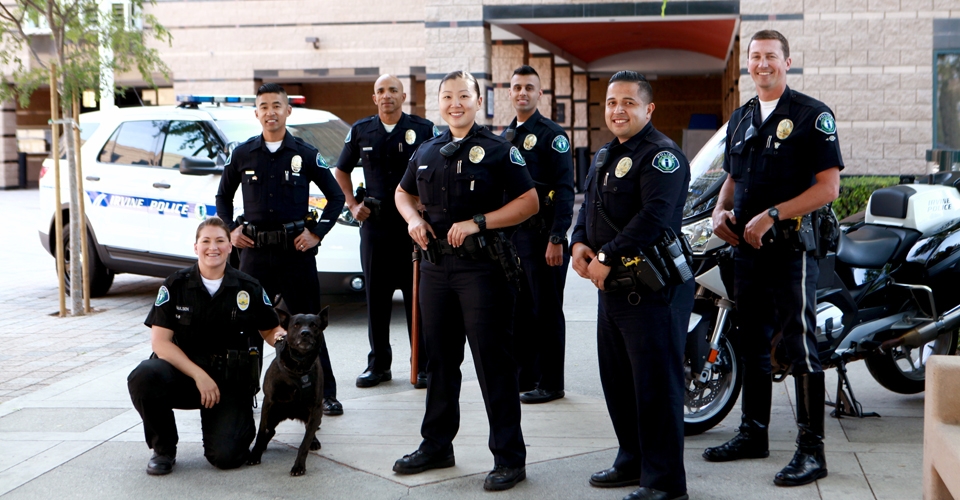
In the classic 70s’ cop movie, a detective would simply slap a small, spherical light on the roof his personal Mustang and call it a police car. They would then massage their mustache and handle the case at hand. However, modern-day policing is different. A police car is now a second home and toolbox for the officer, an expensive investment for every department. We have investigated the overall budget of the typical department, but It’s also important to look at the specifics costs associated with the equipment and the officer. This will help us understand why certain portions of the budget are so inflated and their importance within policing.
The Daily Record author, Nicole Klauss, wrote an article titled “Cost of a cop: What is the price to equal a patrol officer.” It covers all of the purchases and expenses required to get an additional officer in the department. Based on the added prices within the article, the total cost needed to equip an officer is $5600 and fully supplied ford police interceptor, the industry standard, cost $100,000. Such personal and vehicle equipment provided are body cameras, badges, guns, armor, radar detectors, AR-15s, armored doors, etc. These prices of course only covers the tools of the officer and not the employment of the officer.
According to the Bureau of Labor Statistics Occupational Employment, the average salary of a police officer is $61,000 annually. This varies largely by the location and size of the department of the department, as well as the socioeconomic conditions of the community since these factors will control police funding. The salaries within the department can fluctuate also based on overtime, medical leave, court time, and the years of service or experience provided by the officer. In addition to the salary, most police officers are given full benefits such as medical insurance, dental insurance, and a healthy retirement account.
If you add the total salary and equipment expenses, you are looking at a $170,000 investment to simply add an extra officer to the force. That’s not including the additional benefits mentioned previously. This shows us the burden employment has on the budget of a police department. However, you can’t cut the cost of employment due to the nature of the business. In law enforcement, if you fail to be properly staffed in a department, you increase the probability of someone dying or a disaster happening. Which is what I want someone to keep in mind when they see the expenses associated with running a department
According to the Bureau of Labor Statistics Occupational Employment, the average salary of a police officer is $61,000 annually. This varies largely by the location and size of the department of the department, as well as the socioeconomic conditions of the community since these factors will control police funding. The salaries within the department can fluctuate also based on overtime, medical leave, court time, and the years of service or experience provided by the officer. In addition to the salary, most police officers are given full benefits such as medical insurance, dental insurance, and a healthy retirement account.
If you add the total salary and equipment expenses, you are looking at a $170,000 investment to simply add an extra officer to the force. That’s not including the additional benefits mentioned previously. This shows us the burden employment has on the budget of a police department. However, you can’t cut the cost of employment due to the nature of the business. In law enforcement, if you fail to be properly staffed in a department, you increase the probability of someone dying or a disaster happening. Which is what I want someone to keep in mind when they see the expenses associated with running a department


No comments:
Post a Comment
Note: Only a member of this blog may post a comment.