 |
| Source: heritage.org
When you typically think of poverty, a thought that usually comes to mind is a hardworking single mom trying to raise her 4 kids on a minimum wage salary, but this is generally unrelated. The idea of poverty and minimum wage has been closely linked for years, but it turns out that they are very different. Most people in poverty don’t have minimum wage jobs, and most people that have minimum wage jobs aren’t in poverty. How is it possible to have a minimum wage job and be above the poverty line?
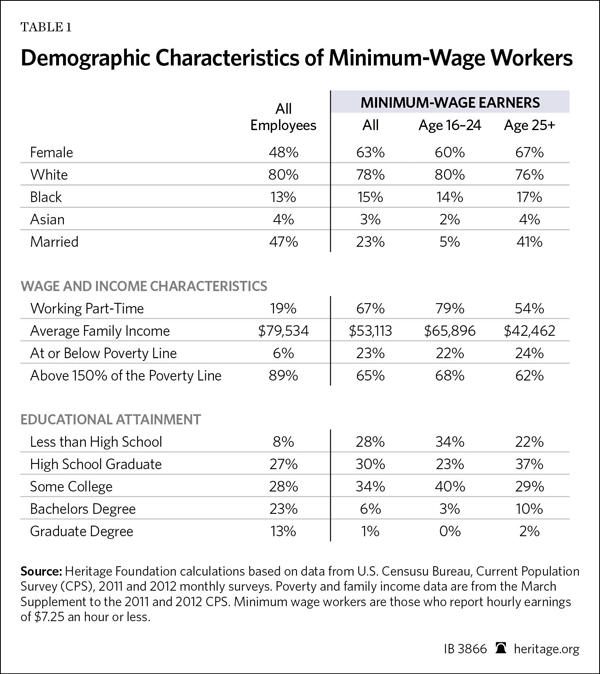
As it turns out, most minimum wage workers aren’t the ones who ‘bring home the bacon’ for their family. According to Heritage, a site dedicated to producing “accurate research on key policy issues” explains that “most minimum-wage earners are young, part-time workers and that relatively few of them live below the poverty line”. Young meaning anywhere from ages 16-25, usually students that work part time for extra cash, not a living. Many come from suburban families where the “average family income is over $53,000 a year” which is far past the poverty line. Raising the minimum wage really wouldn’t benefit many people the single mom described early, but instead put more money in the hands of teenagers to do who knows what with.
Minimum wage workers don’t make up a large percent of the population either. A site called Pew Research Center, a “nonpartisan fact tank that informs the public about the issues, attitudes and trends shaping the world” states that minimum wage workers only represent “13.4% of hourly workers and 7.9% of all wage and salary workers”. This is only a small percentage of the entire working population of the United States. It's not just that 92.1% of workers must pay more in taxes to support the idea of raising the minimum wage for 7.9% of people, which generally are teenagers who wouldn’t benefit from it as people below the poverty line could. If people want to reduce poverty, raising the minimum wage isn’t the answer.
|
Thursday, November 9, 2017
Who is most affected by the minimum wage?

Subscribe to:
Post Comments (Atom)
-
SOURCE: www.kickstarter.com The United States has had many different types of environmental regulations since we became a country. Ove...
-
 https://www.theverge.com Iphones are known for their prestige cameras, but when you compare them to a DLSR, how good are iPhone ...
 -
SOURCE: Hit the Trail Created in 1849, the Department of the Interior is the U.S. federal executive department responsible for ...


No comments:
Post a Comment
Note: Only a member of this blog may post a comment.